Wheel in the Sky
Journey
That wheel keeps on turning right through the speakers here at THE ZOO, and it feels like the open road itself is spinning under the tires of some old station wagon packed full of gear and dreamers. Wheel in the Sky from Journey’s Infinity album has that kind of pull, the kind that makes you lean back and let the story wash over you while the guitar lines climb like they’re chasing the horizon. The whole thing started out as a poem called Wheels in My Mind, written by Diane Valory, wife of bassist Ross Valory. She was missing her man while he was out there grinding through the miles, and the words captured that lonely ache of waiting and wondering. Robert Fleischman, the singer who was with the band for a short stretch before Steve Perry stepped in, took those lines and reshaped them into something that fit the life they were all living out on the highway. Neal Schon has talked about how the music came together during one of those long hauls between gigs, everybody crammed into a couple of station wagons because that was all the budget would allow. They pulled over so the driver could grab a candy bar and shake the sleep out of his eyes, and while they were stopped Neal pulled out an acoustic guitar he had stashed in the back and started strumming the chorus right there on the hood. He has said there was a little bit of Lindsey Buckingham’s guitar work from a Fleetwood Mac record floating around in his head at the time, that bluesy but different feel that sparked the riff and the verses. Fleischman finished out the melody and the rest of the lyrics during rehearsals, and they even cut some early demos with him before the lineup shifted. When Perry came aboard and they got into the studio with producer Roy Thomas Baker, the track took on a whole different life. Perry has remembered singing those high falsetto notes with echo swirling around them while Neal laid down a beautiful solo, and Baker spent hours getting what they called violin guitars, layering root notes, harmonies, and sustained textures until the whole thing felt thick and soaring. That was the first single with Perry out front, and it became the band’s first charting record, climbing up to number 57. Perry has told the story of walking into a pizza place with Neal after it came out and spotting the 45 on the jukebox. He didn’t say a word, just dropped the quarters in and hit the button. When the song kicked in Neal started laughing, and Perry called it a monumental moment because back then showing up in the jukeboxes meant you might finally be starting to happen. They stayed out on the road for something like 298 shows that year, barely coming home, which made the lyric about not knowing where you’ll be tomorrow feel less like poetry and more like a weather report from the front lines.
Listening to it now you can still hear the weariness and the hope mixed together, the way the wheel keeps turning whether you’re ready or not. It is one of those songs that feels philosophical without ever getting heavy-handed, a snapshot of a man running down a dusty road and hoping the one he left behind holds on a little longer. The verses stay a bit opaque, full of that road-weary imagery, while the chorus opens up into a metaphor anybody who has ever felt the calendar spinning can grab onto. Journey had already put out three albums before Infinity, mostly instrumental fusion workouts that sold modestly and built a live following more than radio hits. The record company was pushing for something tighter and more commercial, and bringing Perry in for that fourth record changed the trajectory. He brought the concise songs and the big hooks, but he also delivered that signature vocal sound that first really landed on this track. The band had tried a more radio-friendly approach on their previous album Next without much commercial payoff, so the shift felt like a genuine gamble rather than a guaranteed move. Perry has pointed out that Gregg Rolie was already there as a singer, so he was not brought in to replace anyone outright. Manager Herbie Herbert had floated the idea of adding a dedicated frontman, and the members were open to it because they were tired of starving and ready to start making a living at the music. Fleischman had co-written Wheel in the Sky and Anytime, but the chemistry with Perry clicked in a way that stuck, and the rest is the long ride we all know.
The band itself grew out of the Bay Area scene in 1973 when Neal Schon and Gregg Rolie, both fresh out of Santana, linked up with bassist Ross Valory and others to form what started as the Golden Gate Rhythm Section. The idea was to be a flexible backup group for whatever Bay Area artists needed a solid live unit, but the players were too strong to stay in the background for long. They jammed hard, stretched out on long fusion pieces influenced by Mahavishnu Orchestra and the jazz-rock currents running through San Francisco at the time, and quickly realized they had something of their own. A local radio contest to name the group produced a bunch of forgettable suggestions, so a roadie named John Villanueva floated Journey and it stuck. Their first big public splash came on New Year’s Eve at Winterland in San Francisco, and the next day they flew to Hawaii for a show at Diamond Head Crater in front of a massive crowd. Prairie Prince handled drums early on before heading back to the Tubes, and Aynsley Dunbar stepped in after that. George Tickner was on rhythm guitar for the first stretch before leaving to pursue medicine. The early records were progressive and mostly instrumental, with Rolie handling the vocals that did appear, and the band built a reputation as an explosive live act that sold more tickets than records for a while. Neal Schon had been a guitar prodigy, already good enough at fifteen that Eric Clapton wanted him for Derek and the Dominos and Carlos Santana wanted him even more. He chose Santana, left high school, and was still only eighteen when Journey came together. His father had been a big-band musician and his mother a singer, so the music was in the house from the start. Rolie had been a founding member of Santana, the guy whose organ work at Woodstock became iconic. When Santana wound down they both found themselves looking for the next thing, and Herbert helped pull the pieces together. The early years were about long jams and live energy more than radio singles, the kind of free-form approach that fit the hippie and rock-and-roll spirit of the scene they came out of. By the time they reached Infinity the sound had tightened up, the songs had hooks, and Perry’s voice gave them an identity that reached far beyond the Bay Area clubs and the roadhouses they had been working. That wheel that started turning on a roadside stop has kept on going through decades of lineup changes and tours, but the core of it still lives in those early miles and the voices that first shaped it.
You can dig deeper into the whole story and catch up on what the band is doing these days over at their official site Journey Music, where the Infinity album and that Wheel in the Sky track are right there in the catalog alongside everything that followed. They stay active on social as well, so if you want the latest from the road or the studio you can find them on Facebook, check the photos and updates on Instagram, or follow along on X. The Zoo Freaks know the feeling when a song like this comes on and the miles start stacking up in your head. It is the kind of track that reminds you the road is always out there waiting, the wheel keeps turning, and home is wherever the music takes you next.
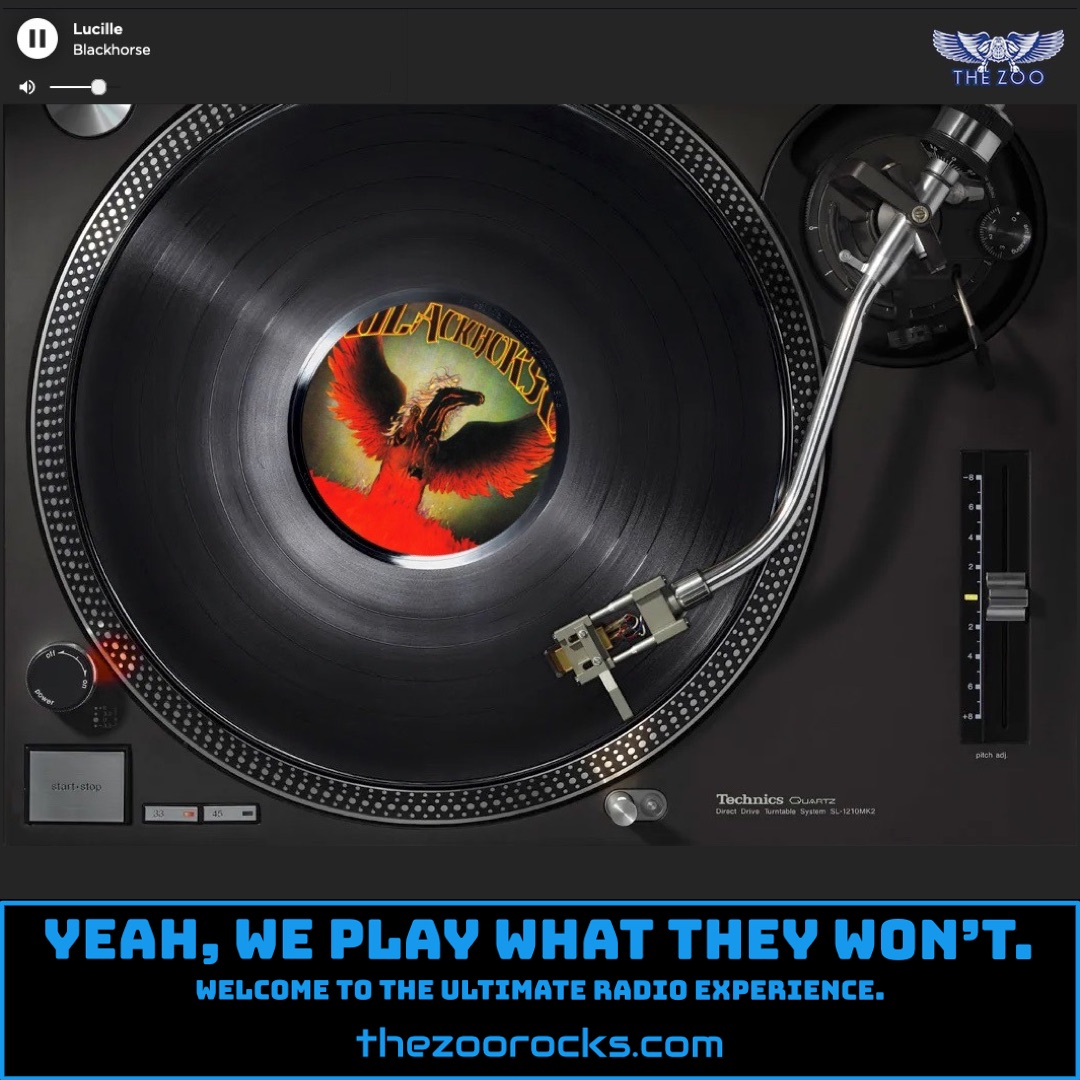
Every song in our vast catalog comes alive with exclusive backstories, original album artwork, plus links to artist websites, tour dates, fan communities, and social media. Explore the rich history of rock 'n' roll as you listen!
THE ZOO KZEW RADIO PROJECT
We are veteran rock radio jocks and music die-hards dedicated to restoring radio's greatness. Join us.