
Winter Time
Steve Miller Band
Hey there, Zoo Freaks, the Zoo Crew has been digging deep into the stacks and spinning "Winter Time" from the Steve Miller Band's Book of Dreams, and man, does that one hit different once you settle into it. This track comes off the 1977 album that sat right alongside Fly Like an Eagle as the payoff from one of the most productive stretches Miller ever had in the studio. He and the band locked themselves in at CBS Studios in San Francisco back in '75 and '76, cutting basic tracks for both records at the same time. Miller has talked about being totally immersed, swapping verses and ideas around until everything locked in, feeling like he was really in a groove. He ended up with more material than one album could hold, so some of the strongest stuff got held back for Book of Dreams. "Winter Time" sits in there as the moody, contemplative number, the one that slows the party down and lets the chill settle in after the bigger rockers.
What makes it stand out is how it leans into atmosphere more than hooks. There's a simple acoustic folk feel underneath, some spacey keyboard touches, and that signature harmonica from Norton Buffalo, who also blew on "The Stake" and later became a regular on the road with the band. Miller has described those sessions as the period when he was working on a lot of songs at once, interchanging pieces until they felt right. The whole album sold millions, peaked at number two on the charts, and went triple platinum, with songs like "Jet Airliner," "Jungle Love," and "Swingtown" becoming radio staples. "Winter Time" never got pushed as a single, but it has that haunting quality that sticks with listeners who dig the deeper cuts. Redbeard from the In the Studio show has called it the melancholy track on the record, and Miller has reflected on how he always saw himself as a musician first, not a celebrity or pop star. He has said Les Paul was his inspiration and that playing music his whole life was the goal from the beginning. The fact that people still come out to hear these albums years later is beyond anybody's wildest dreams, as he put it.
The album cover, with that winged horse artwork, even picked up a Grammy for packaging, though the credit went to the art director at the label rather than the illustrators. Miller has talked about arguing with the record company a fair bit even while the records were selling, but the music itself kept landing. Book of Dreams felt like a refinement after Fly Like an Eagle, more consistent in some ways, and half the tracks ended up on the big Greatest Hits collection that followed. Hearing "Winter Time" on THE ZOO reminds you how the band could shift from the uptempo party tracks to something that feels like staring out a window while the wind picks up outside. The lyrics keep circling back to brown leaves, the chill wind, and the birds that have flown, with that repeated call that never quite gets answered. It is the kind of song that rewards listening all the way through instead of just catching the chorus.
Steve Miller got started young, and the path to those mid-seventies albums runs through a lot of real blues apprenticeship. He was born in Milwaukee in 1943, and his parents were deep into jazz. His dad, a pathologist, was also an amateur recording engineer who brought musicians over to the house, and Les Paul and Mary Ford were regular visitors. Paul became Miller's godfather and encouraged the kid when he was still small, hearing him bang away on a guitar. The family moved to Dallas when Miller was around five or six, and that is where the blues lessons got serious. T-Bone Walker, another family friend, taught him how to play guitar behind his head and do splits at the same time. Miller formed his first band, the Marksmen, at St. Mark's School when he was about twelve, teaching chords to a classmate named Boz Scaggs so he could join. They played fraternity parties and dances, and Miller has said he started working professionally at that age, every Friday and Saturday night.
After high school he headed to the University of Wisconsin, but near the end he told his parents he wanted to go to Chicago and play the blues. His dad was not thrilled, but his mom handed him a hundred dollars and told him to go see if he could make it. In Chicago he formed the Goldberg-Miller Blues Band and got into the competitive club scene, hanging around players like Muddy Waters, Howlin' Wolf, and Otis Rush. He has talked about how you had to be good or you would lose the gig. From there he headed west to San Francisco in the mid-sixties, landing right as the scene was exploding. He formed the first version of the Steve Miller Band, played the Monterey Pop Festival, and got signed to Capitol. Early albums like Children of the Future, Sailor, and Brave New World mixed psychedelic touches with solid blues-rock roots. He even had Paul McCartney sit in on bass and drums for one track. The commercial breakthrough came later with The Joker in 1973, then the twin peaks of Fly Like an Eagle and Book of Dreams. Miller has always circled back to the idea that he is a musician who wants to keep playing, and these days he spends time on music education programs and blues work at places like Jazz at Lincoln Center.
You can find the official Steve Miller Band site over at stevemillerband.com, where they keep the catalog and tour info going. The official Facebook page is at facebook.com/stevemillerband, and the Instagram is instagram.com/stevemillerband. For the short posts and updates, the X account is x.com/SMBofficial. Those pages are where the band shares news, and fans gather to talk about the old records and the shows. The Zoo Crew will keep spinning the deep cuts and the hits alike for all the Zoo Freaks who dig this kind of rock and roll that still feels freeform and real. Spin it again when the mood hits, and remember how Miller built the whole thing from those early lessons and the long grind in the clubs before the albums took off.
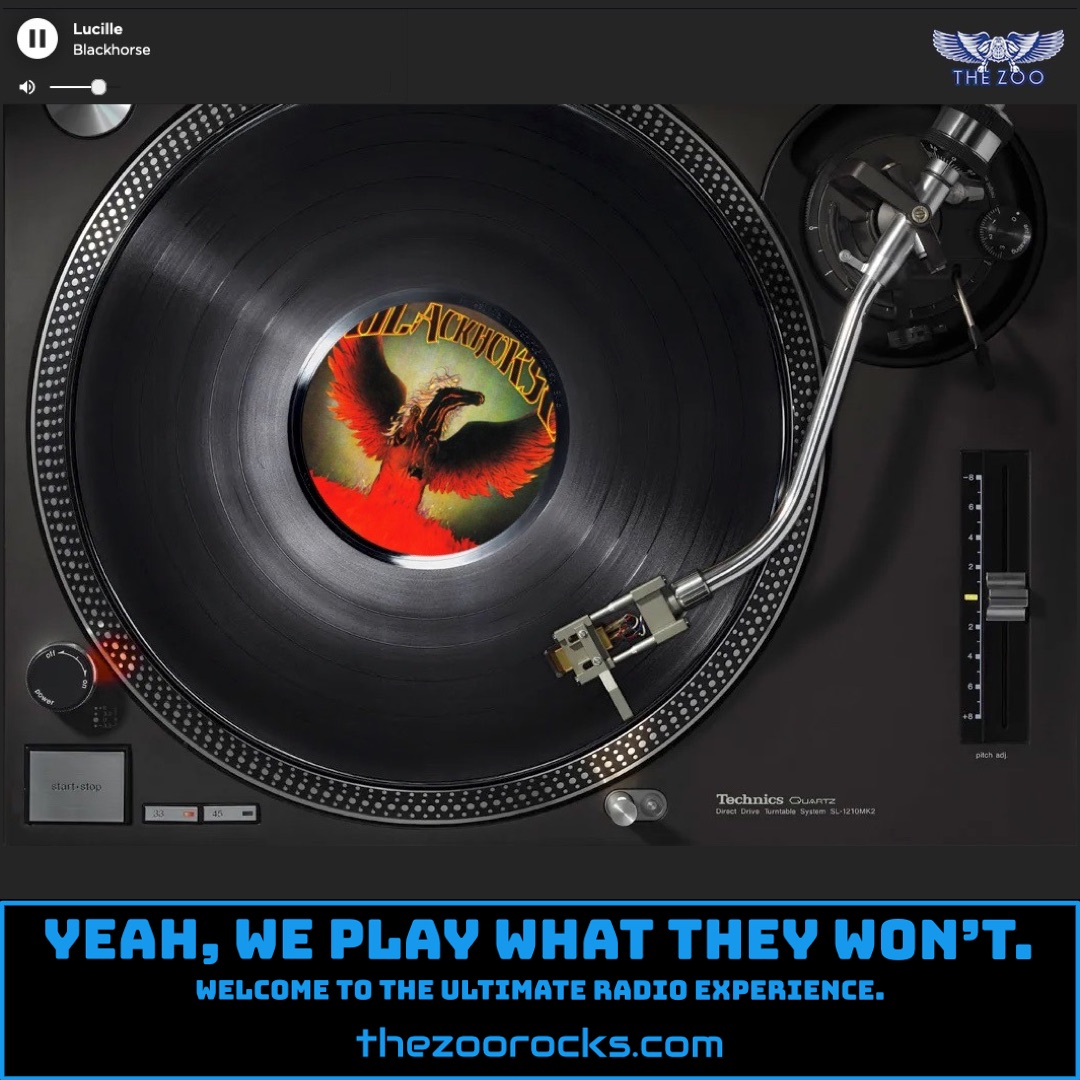
Every song in our vast catalog comes alive with exclusive backstories, original album artwork, plus links to artist websites, tour dates, fan communities, and social media. Explore the rich history of rock 'n' roll as you listen!
THE ZOO KZEW RADIO PROJECT
We are veteran rock radio jocks and music die-hards dedicated to restoring radio's greatness. Join us.